


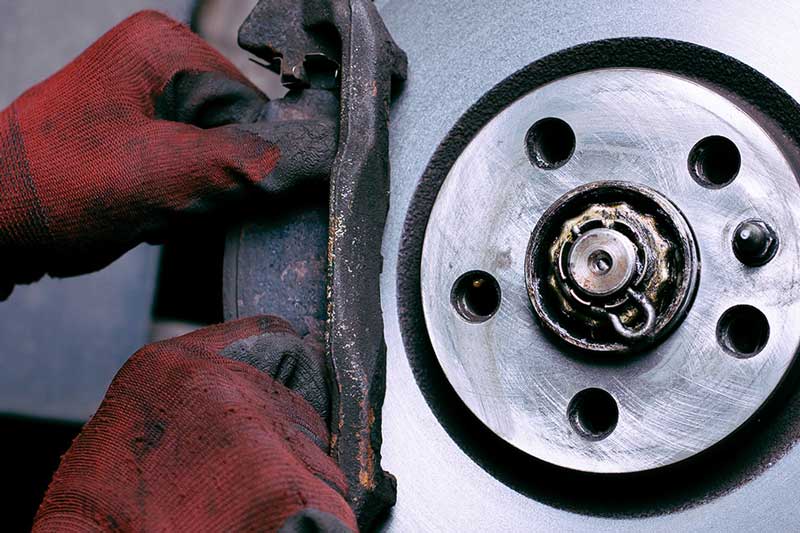
GMC brake pad warning signs can include a chirp or squeal when you slow down. Grinding, a shaking steering wheel, or a pulsing brake pedal also call for attention. Each symptom can have more than one cause. A brake inspection identifies what needs attention. A squeal or chirp when you press the pedal Some brake pads have a metal wear indicator that makes a chirping or squealing sound as the pad material gets low. That is one reason to have a new or persistent noise checked. Brake hardware, the way a pad fits in its caliper, and rotor condition can also contribute to noise. Notice when the sound happens. Does it occur only when you apply the brakes? Is it coming from one side, or has it grown more frequent? Share those details with the technician. They help guide the inspection, even though they cannot confirm which part needs service. Grinding needs prompt attention A grinding sound while braking can point to significant pad wear or another problem involving the rotor or nearby components. Because the pads press against the rotors to slow your GMC, continued use with a damaged or badly worn component can affect more than one part of the system. GMC recommends service right away when you hear grinding. Have the brakes inspected promptly instead of waiting to see whether the sound goes away. If your GMC also feels harder to stop or the pedal response changes, stop in a safe place and arrange help before continuing your trip. A shaking wheel or pulsing pedal during braking Pay attention to when the vibration starts. A steering wheel that shakes or a pedal that pulses as you brake may involve rotor wear, heat damage, brake hardware, or another issue that needs inspection. The sensation alone does not prove the rotors must be replaced. Tell the service team whether the vibration appears during light braking, firmer stops, or every stop. If it occurs when you are not braking, mention that too. The timing helps the technician look beyond the brake pads when needed. Other changes worth reporting Brakes can need attention without making a sound. A softer pedal, longer stopping distance, or a pull to one side when you brake are all reasons to schedule an inspection. Some GMC vehicles may also display a brake pad wear message. Make a note of any warning message you see and tell the technician if braking feels different from one trip to the next. When stopping power feels reduced or unpredictable, make safety the priority. Pull over where it is safe and arrange service before continuing a routine drive. An inspection looks at pads and rotors together Brake pads provide the friction that slows a rotating rotor. Both parts need to be checked, along with related hardware, calipers, hoses, and fluid lines. A technician can examine pad wear and rotor condition, then recommend the repair that matches what is actually found. New pads do not automatically mean new rotors. Rotor wear, damage, thickness, and any vibration during braking help determine whether a rotor needs attention. That distinction matters if you are trying to understand a repair recommendation after hearing a noise. Stan King GM SuperStore GMC’s brake service information explains the signs its Certified Service team can inspect. You can also learn about the dealership’s broader GMC service department before your visit. Request GMC brake service in Brookhaven, MS If your GMC squeals, grinds, shakes, or takes longer to stop, request a service appointment at Stan King GM SuperStore GMC. Describe when the symptom occurs and whether the pedal or steering wheel feels different. The Certified Service team can inspect the brake system and explain what needs attention before repairs are recommended.
2026 GMC Acadia AT4 vs. Denali: Which Features Matter to You?
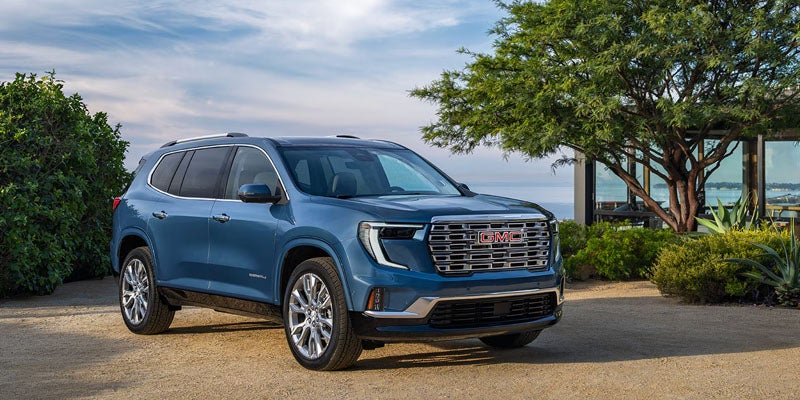
The 2026 GMC Acadia AT4 and Denali both give Brookhaven families three rows and seating for up to seven. The difference is what each trim emphasizes: AT4 adds equipment for unpaved routes, while Denali adds cabin comforts and a more polished look. If you’ve read our 2026 GMC Acadia overview, here’s a closer look at which one fits your daily driving. Styling: Dark accents or Denali details? The AT4 looks ready for a dirt road. Its dark-accented exterior includes Night Rider chrome, red recovery hooks, and 18-inch dark machined aluminum wheels with all-terrain tires. Its raised ride height reinforces that rugged appearance. Denali takes a different approach with a distinctive grille and badging, Galvano Silver accents, and 20-inch machined aluminum wheels with a Pearl Nickel finish. If you like an SUV that looks refined on the school run and outside a restaurant, those details may matter more to you than AT4’s trail-inspired styling. Traction: How often do you leave the pavement? AT4 comes standard with Active Torque Control all-wheel drive, which can direct torque between the front and rear axles and from side to side at the rear when traction calls for it. It also has an off-road-tuned suspension, front and underbody skid plates, all-terrain tires, and an AT4-exclusive Terrain mode. Those features are useful to consider if your family regularly travels gravel roads, uneven access roads, or muddy destinations. Denali emphasizes other priorities. If most of your driving is on pavement, ask which drivetrain is fitted to the specific Denali you are considering and compare it with the AT4 on the roads you use. Neither trim removes the need to slow down and drive for the surface and conditions. Cabin: What makes family trips easier? AT4’s Forest Storm interior brings Mahogany accents and AT4 details into a cabin with three rows. Its distinctive interior gives families a practical way to choose the adventurous look without giving up Acadia’s basic passenger space. Denali adds leather-appointed first- and second-row seats, heated and ventilated front seats, a configurable head-up display, and a 12-speaker Bose audio system. Its one-touch folding second row helps passengers reach the back, while power-folding third-row seats make it easier to switch between people and cargo. Both trims offer the Acadia’s 15-inch infotainment display; Denali’s advantage is in its added seating and convenience appointments, not an extra row of seats. Which Acadia fits your week? Choose the AT4 if unpaved trips are a regular part of your routine and you value its standard traction equipment, added underbody protection, and rugged styling. Choose the Denali if you spend most days on paved roads and would get more use from upgraded seats, cabin conveniences, and its distinctive exterior. If your family does a bit of both, sit in each second and third row, try the seat-folding controls, and drive both trims before deciding. Explore new GMC vehicles at Stan King GM SuperStore GMC, then visit us in Brookhaven, MS, to compare the equipment on the Acadia models available when you shop.