


A squeal or chirp when you press the pedal
Some brake pads have a metal wear indicator that makes a chirping or squealing sound as the pad material gets low. That is one reason to have a new or persistent noise checked. Brake hardware, the way a pad fits in its caliper, and rotor condition can also contribute to noise.Notice when the sound happens. Does it occur only when you apply the brakes? Is it coming from one side, or has it grown more frequent? Share those details with the technician. They help guide the inspection, even though they cannot confirm which part needs service.
Grinding needs prompt attention
A grinding sound while braking can point to significant pad wear or another problem involving the rotor or nearby components. Because the pads press against the rotors to slow your GMC, continued use with a damaged or badly worn component can affect more than one part of the system.GMC recommends service right away when you hear grinding. Have the brakes inspected promptly instead of waiting to see whether the sound goes away. If your GMC also feels harder to stop or the pedal response changes, stop in a safe place and arrange help before continuing your trip.
A shaking wheel or pulsing pedal during braking
Pay attention to when the vibration starts. A steering wheel that shakes or a pedal that pulses as you brake may involve rotor wear, heat damage, brake hardware, or another issue that needs inspection. The sensation alone does not prove the rotors must be replaced.Tell the service team whether the vibration appears during light braking, firmer stops, or every stop. If it occurs when you are not braking, mention that too. The timing helps the technician look beyond the brake pads when needed.
Other changes worth reporting
Brakes can need attention without making a sound. A softer pedal, longer stopping distance, or a pull to one side when you brake are all reasons to schedule an inspection. Some GMC vehicles may also display a brake pad wear message. Make a note of any warning message you see and tell the technician if braking feels different from one trip to the next.When stopping power feels reduced or unpredictable, make safety the priority. Pull over where it is safe and arrange service before continuing a routine drive.
An inspection looks at pads and rotors together
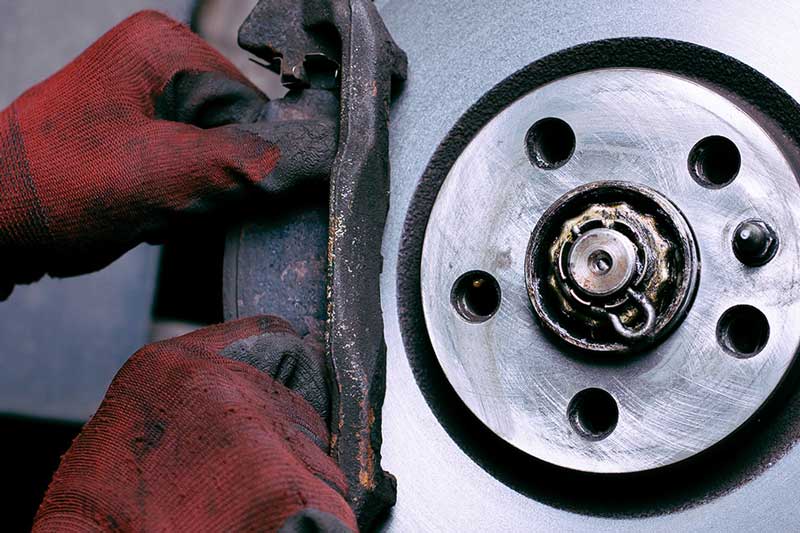
Brake pads provide the friction that slows a rotating rotor. Both parts need to be checked, along with related hardware, calipers, hoses, and fluid lines. A technician can examine pad wear and rotor condition, then recommend the repair that matches what is actually found.New pads do not automatically mean new rotors. Rotor wear, damage, thickness, and any vibration during braking help determine whether a rotor needs attention. That distinction matters if you are trying to understand a repair recommendation after hearing a noise.
Stan King GM SuperStore GMC’s brake service information explains the signs its Certified Service team can inspect. You can also learn about the dealership’s broader GMC service department before your visit.